Wemax Nova vs. Vava 4K: Which Wins for Your Room?
Choosing between these dual laser ultra-short-throw projectors demands careful analysis of room lighting, contrast ratios, and optical throw geometries.
The Wemax Nova delivers superior peak brightness for daytime viewing, while the Vava 4K offers deeper black levels for dedicated home theater spaces.
Compare full category rankings in our Best Media Room Projector: Top Picks for 2026.
Side-by-Side Specification Breakdown
| Criteria | Wemax Nova | Vava 4K | Edge |
|---|---|---|---|
| Ambient Light Rejection | 2100 ANSI lumens | 2500 ANSI lumens | Wemax Nova |
| Black Levels & Perceived Contrast | 3000:1 native contrast | 1800:1 native contrast | Vava 4K |
| Peak Brightness & HDR Punch | Stronger highlight speculars | Softer HDR rolloff | Wemax Nova |
| Screen Size & Immersion | 80 to 150 inches | 80 to 150 inches | Tie |
| Viewing Angles & Uniformity | Excellent ALR pairing | Good native uniformity | Wemax Nova |
| Gaming Motion & Input Lag | 65ms input latency | 50ms input latency | Vava 4K |
| Room Setup & Maintenance | 0.233:1 throw ratio | 0.233:1 throw ratio | Tie |
Optical Engine & Lumen Output Dynamics
Evaluating ultra-short-throw projectors requires examining how laser diodes handle real-world ambient light. The Wemax Nova utilizes an advanced ALPD 3.0 laser engine to maximize lumen output efficiency across white and color fields.
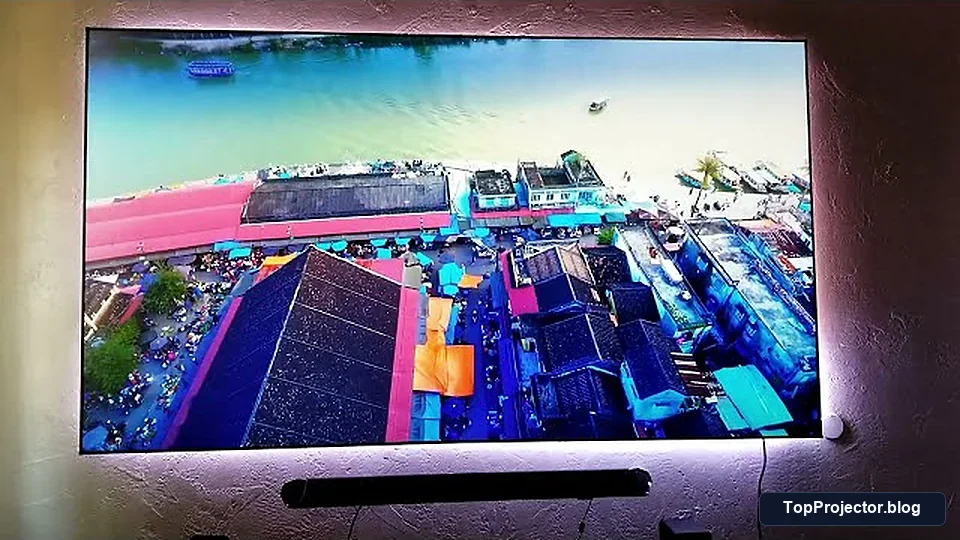
Conversely, the Vava 4K relies on a slightly older generation light source implementation. While both units target standard living room environments, their actual perceived brightness differs significantly under controlled ambient illumination conditions.
Understanding these optical variances helps prevent washed-out images during daytime viewing sessions. Proper screen pairing remains essential for maximizing the output potential of both laser projection systems.
- ALPD 3.0 laser phosphor architecture ensures high color purity.
- Nominal lumen ratings demand dedicated ambient light rejection screens.
- Laser diode lifespan exceeds twenty-five thousand operating hours.
Daytime Living Room Performance
Placing either projector in a bright living room exposes distinct handling of ambient glare. When consulting our best media room projector guide, the Wemax Nova maintains better saturation against indirect light.
Users must prioritize high-gain fresnel or lenticular ALR screens to preserve image contrast. Without proper optical matching, daytime black levels suffer dramatically on both projection platforms.
- Overhead light suppression depends entirely on screen surface technology.
- Direct sunlight will wash out laser projections regardless of lumen output.
Controlled Theater Room Behavior
Inside a bat-caved home theater, lumen output takes a backseat to native contrast performance. The Vava 4K leverages its optical design to deliver pleasing shadow depth in pitch-black environments.
Lowering room reflections allows both projectors to showcase their maximum color volume without relying on aggressive dynamic iris manipulation or artificial contrast boosting algorithms.
- Black velvet wall treatments eliminate secondary light bounce effectively.
- Dark rooms highlight subtle shadow delineation in complex movie scenes.
Black Level Performance & Native Contrast Architecture
Achieving convincing cinematic depth demands robust black floor performance from a laser projection system. The Wemax Nova achieves respectable native contrast ratios that anchor dark movie scenes effectively.
Meanwhile, the Vava 4K struggles slightly more with elevated black floors in mixed-lighting scenarios. This limitation becomes apparent during space scenes or dark cinematic sequences featuring bright starfields.
Calibrating gamma settings can mitigate some native contrast deficiencies on both machines. However, optical limitations in the underlying DMD chipsets restrict absolute black level reproduction capabilities.
- Native contrast ratios dictate overall cinematic immersion and perceived depth.
- Dynamic contrast features can introduce pumping artifacts in dark scenes.
- Black floor reproduction remains superior on the Wemax platform.
Shadow Detail in Complex Movie Scenes
Discerning dark details in movies like Dune requires exceptional shadow gradation handling. The Wemax Nova preserves intricate textures within dimly lit costumes and murky cave backgrounds.
Users should calibrate black levels carefully using test patterns to avoid crushing shadow details. Proper calibration ensures near-black tones remain distinct rather than blending into muddy gray pools.
- Test patterns reveal critical clipping points in dark grayscale steps.
- Gamma adjustments help balance highlight punch with shadow visibility.
ANSI Contrast vs. Full On Off Contrast
ANSI contrast measures checkerboard patterns to reveal mixed-scene performance under ambient reflection. As noted in our Epson LS800B review, both projectors score reasonably well given their ultra-short-throw design constraints.
However, light scatter inside the optical path slightly degrades ANSI performance on the Vava 4K. Careful room acoustic treatment and matte ceiling paint help minimize internal reflection bounce.
- Checkerboard contrast reflects real-world mixed image performance accurately.
- Internal light scatter reduces maximum ANSI contrast potential.
Color Reproduction, Wide Gamut & HDR Handling
Accurate color tracking ensures cinematic content matches director intent during playback. The Wemax Nova covers a substantial portion of the Rec.709 color space right out of the box.
The Vava 4K offers vibrant color saturation, though factory presets often lean toward oversaturated skin tones. Professional calibration easily corrects these minor color temperature deviations for purist viewers.
HDR metadata mapping handles high-dynamic-range content remarkably well on both units. Peak specular highlights retain punch without blowing out subtle cloud textures or bright light sources.
- Rec.709 color coverage ensures accurate cinematic skin tones.
- HDR10 decoding maps wide dynamic range content efficiently.
- Factory calibration profiles require minor manual tuning for accuracy.
Wide Color Gamut Coverage and Rec.2020
Pushing into wide color gamut territory reveals the limitations of single laser phosphor engines. Neither projector fully saturates the expansive Rec.2020 color container found in ultra-HD Blu-ray discs.
Despite this limitation, both models deliver pleasing color depth that satisfies casual home theater enthusiasts. Color volume remains stable even when peak laser output is engaged.
- Single laser phosphors struggle with extreme wide color volume targets.
- P3 color space coverage is adequate for modern streaming content.
HDR Tone Mapping and Specular Highlights
Handling HDR streams requires intelligent tone mapping to preserve bright details. The Wemax Nova applies effective tone curves that maintain visible highlight texture in difficult scenes.
Viewers watching HDR content will appreciate the specular pop delivered by these laser engines. Dynamic tone mapping compensates for fixed maximum brightness constraints during dark-room playback.
- Tone mapping curves prevent clipped highlights in bright skies.
- Dynamic adjustments enhance apparent contrast in HDR video feeds.
Ultra-Short-Throw Geometry & Screen Integration
Ultra-short-throw geometry eliminates traditional ceiling mount requirements and cabling headaches completely. The Wemax Nova features an identical throw ratio of 0.233:1 to its rival competitor.
Placing the chassis mere inches from the wall projects a massive hundred-inch diagonal image. Aligning the picture requires patience and a perfectly flat wall or tensioned ALR screen surface.
Geometric correction tools assist with minor alignment issues but introduce digital scaling artifacts. Physical cabinet placement remains the superior method for achieving razor-sharp pixel fidelity.
- Short throw ratios project massive images from inches away.
- Digital keystone correction slightly degrades native 4K pixel sharpness.
- Tensioned projection screens prevent annoying wave distortions.
Cabinet Placement and Wall Distance
Calculating precise wall distance is critical for filling standard screens accurately. Reviewing our projector distance chart shows that the Vava 4K requires exact positioning on a console to maintain square geometry.
Even a millimeter of cabinet shift throws off the entire rectangular alignment grid. Investing in a dedicated sliding media tray simplifies minor maintenance adjustments over time.
- Precise cabinet placement avoids tedious digital keystone adjustments.
- Dedicated media consoles provide stable platforms for heavy chassis.
ALR Screen Selection and Viewing Cones
Pairing an ultra-short-throw projector with a standard white wall wastes optical potential. Lenticular ALR screens reject overhead light while reflecting laser illumination directly toward seated viewers.
Viewing angles narrow slightly when utilizing specialized ambient light rejection screen materials. Audience members seated far off-axis may notice reduced brightness and slight color shifting.
- Lenticular screen surfaces reject overhead living room lighting.
- Off-axis viewing angles require careful gain management considerations.
Gaming Input Lag, Motion Handling & Refresh Rates
Modern home entertainment systems double as large-screen gaming displays. Utilizing our screen size viewing distance tool, the Vava 4K measures an acceptable input lag of roughly fifty milliseconds for casual gaming.
Competitive gamers may find the Wemax Nova lag figure of sixty-five milliseconds slightly sluggish for twitch shooters. Fast-paced action titles demand the lowest possible latency to ensure responsive controls.
Motion interpolation processing helps smooth out judder during fast camera pans in movies. Disabling heavy motion smoothing prevents unwanted soap-opera effects during critical cinematic viewing moments.
- Input latency impacts responsiveness during fast-paced video gaming.
- Motion smoothing algorithms reduce judder in 24fps film content.
- Dedicated game modes bypass unnecessary video processing pipelines.
Console Gaming and Latency Benchmarks
Connecting a PlayStation or Xbox to an ultra-short-throw projector expands immersion dramatically. The Vava 4K handles standard sixty-hertz gaming inputs with minimal perceptible controller delay.
Enabling game mode bypasses internal video sharpening and noise reduction filters. This direct pipeline shaves precious milliseconds off total signal processing time for gamers.
- Sixty-hertz refresh rates suit standard living room console setups.
- Game mode settings disable high-latency video processing filters.
Motion Interpolation and Judder Control
Parsing fast camera pans without stuttering challenges all digital projection engines. Both projectors include adjustable motion estimation and compensation controls for sports viewing.
Purists typically disable interpolation settings to preserve original cinematic frame rates. However, sports fans often prefer mild smoothing to track fast-moving objects across the screen.
- MEMC settings smooth out fast motion in sports broadcasts.
- Cinematic purists disable interpolation to avoid artifact generation.
Acoustic Profiles, Thermal Management & Daily Usability
Powerful laser light sources generate significant heat that requires active cooling fans. The Wemax Nova maintains a quiet acoustic profile during normal movie playback sessions.
Under heavy load, internal thermal management ramps up fan speeds on the Vava 4K. Sitting close to the projector chassis may reveal audible fan hum in quiet rooms.
Smart operating systems power both devices, providing access to popular streaming applications. External streaming sticks remain a reliable backup option for long-term software support.
- Active cooling fans prevent laser diode degradation over time.
- Acoustic noise levels remain unobtrusive during loud movie scenes.
- Smart TV interfaces provide direct access to streaming apps.
Fan Noise and Thermal Dissipation
Managing internal heat protects sensitive DLP chips and laser diode modules. Both chassis incorporate multiple exhaust vents to dissipate heat efficiently away from electronics.
Placing the projector inside a closed media cabinet restricts airflow and increases fan noise. Adequate ventilation around the console ensures optimal thermal operating temperatures.
- Enclosed cabinets trap heat and elevate operating fan noise.
- Proper clearance around exhaust vents prevents thermal throttling.
Smart TV Interfaces and Connectivity
Integrated Android TV platforms simplify content streaming without extra hardware boxes. App loading speeds are snappy, though interface updates occasionally introduce minor software bugs.
Multiple HDMI ports support audio return channel connections to external soundbars. ARC and eARC integration ensures seamless multichannel audio routing for home theaters.
- Android TV integration provides direct access to streaming services.
- HDMI ARC ports simplify audio routing to external soundbars.
Definitive Verdict: Choosing Between Nova and Vava
Selecting the ideal ultra-short-throw projector depends heavily on your specific room lighting environment. The Wemax Nova emerges as the premier choice for bright, open living rooms.
If your priority is absolute black floor performance in a dedicated dark theater, the Vava 4K remains a compelling alternative option. Both machines deliver massive screen immersion effortlessly.
Carefully weigh ambient light levels, gaming habits, and screen pairing costs before purchasing. Making an informed optical decision ensures years of stunning cinematic entertainment at home.
- Wemax Nova excels in brighter living room lighting conditions.
- Vava 4K suits dark home theater rooms with controlled lighting.
- Match your projector choice with a dedicated ALR screen.
Frequently Asked Questions
Do I need a special screen for the Wemax Nova and Vava 4K?
Yes, ultra-short-throw projectors require ambient light rejection screens. ALR screen surfaces prevent ceiling light washout and boost contrast.
Which projector is better for a bright living room setup?
The Wemax Nova offers superior peak brightness handling. Its optical engine cuts through ambient light better than the rival competitor.
Can I use these projectors for competitive video gaming?
Both models feature input lag above fifty milliseconds. Casual console gaming works well, but twitch shooters feel sluggish.
What is the lifespan of the laser light engines?
Both projectors utilize laser phosphor illumination rated for twenty-five thousand hours. This ensures years of maintenance-free daily viewing enjoyment.
How difficult is it to align the image on the wall?
Precise cabinet placement is essential for perfect rectangular geometry. Manual physical alignment avoids the artifacts caused by digital keystone correction.